























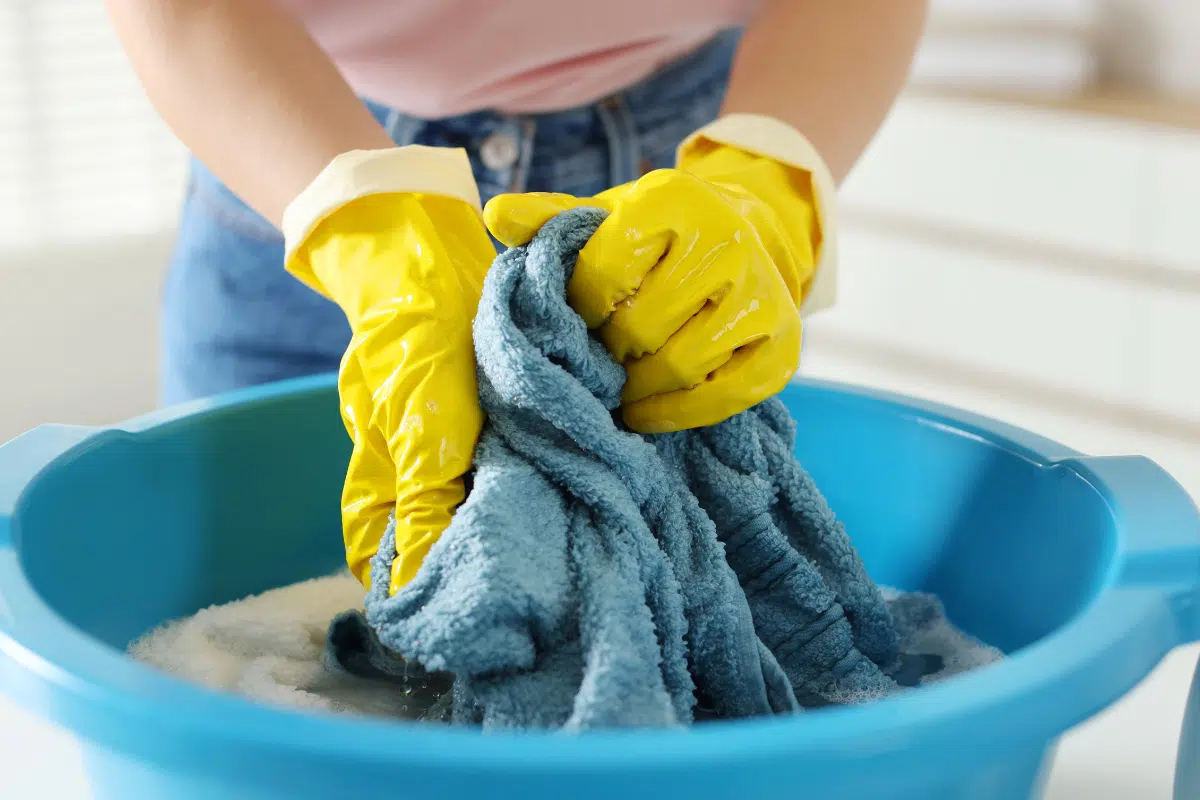
If you’ve ever wondered how often should you wash towels, you’re in good company. Towels look harmless, but they collect moisture, skin oils, detergent residue, and whatever else is in the air and on your body. That combination creates the perfect environment for odors and bacteria, especially when towels stay damp or sit in a pile.
The good news is that you don’t need a complicated routine to keep towels fresh. You just need a realistic schedule, a few smart habits, and an understanding of what makes some towels start smelling faster than others.
How Often Should You Wash Towels? A Simple, Hygienic Schedule That Actually Makes Sense
So, how often should you wash towels in a typical home? While many people rely on habit or guesswork, towel cleanliness is influenced by how towels are used, how well they dry, and how they’re washed.
Looking at these factors together helps explain why some towels stay fresh for days while others start smelling much sooner.
The baseline rule most households can follow
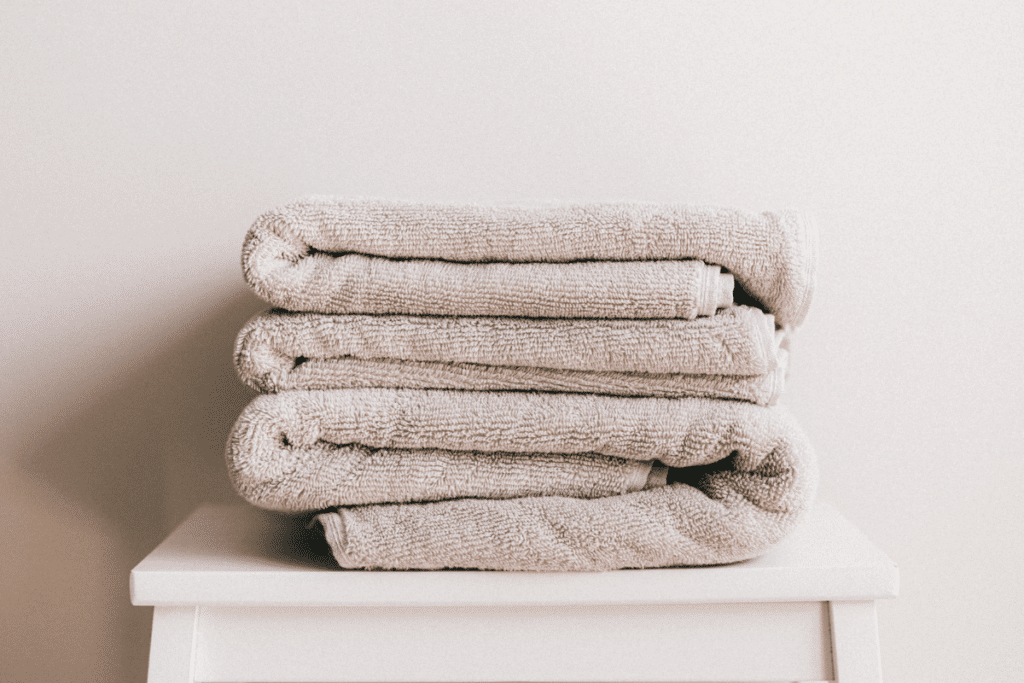
For most people, bath towels should be washed after about 3 uses, or sooner if they stay damp for long periods. Hand towels usually need washing more often because they get used by multiple people and don’t always dry quickly.
Here’s a practical schedule you can stick with:
- Bath towels: every 3 uses, or about every 3 to 4 days for daily showers
- Hand towels: every 1 to 2 days, especially in a busy bathroom
- Face towels and washcloths: after each use
- Guest bathroom hand towels: every 2 to 3 days if used, or weekly if rarely touched
If you’re still deciding how often should you wash towels in your home, start with that schedule for two weeks. If towels stay fresh, you’re on track. If they develop odor quickly, the towel drying time and washing method usually need attention.
What changes the schedule (bathroom setup, humidity, and how towels are used)
The “right” answer to how often should you wash towels depends on whether the towels fully dry between uses. A towel that dries quickly on a rack in a well-ventilated bathroom can go longer than a towel that stays bunched up, hangs in a humid room, or gets reused by multiple people.
These factors usually mean washing more often:
- High-humidity bathrooms: towels stay damp longer, which encourages odor
- No fan or poor airflow: slower drying equals faster “musty” smell
- Multiple users: hand towels and shared towels pick up more germs and soil
- Post-workout use: sweat and body oils cling to fibers
- Skin conditions or allergies: sensitive skin benefits from a fresher rotation
On the other hand, if you have great airflow, towels hang spread out, and each person uses their own towel, you can often stick to the baseline schedule comfortably.
Signs your towels need washing sooner
Even with a schedule, towels sometimes need washing early. If you’re unsure how often should you wash towels when life gets busy, use your senses and a few simple clues to guide you.
Watch for these common signs:
- Musty odor: even a mild smell means bacteria and trapped moisture are building up
- Stiff or waxy feel: often caused by detergent buildup, fabric softener residue, or hard water minerals
- Reduced absorbency: if water beads up or the towel feels like it “pushes” water around
- Visible discoloration: makeup, oils, and bathroom humidity can stain over time
- Towels stay damp too long: slow drying is a strong predictor of odor
If any of these show up, it’s a sign your towels are due for a wash now, not later, even if you’re “not at day three yet.”
Why clean towels matter more than most people think
It’s easy to assume towels are clean because they touch clean water and freshly washed skin. In reality, towels collect microscopic debris from skin, plus moisture that allows bacteria and mildew to multiply. That can lead to unpleasant smells, irritation, and in some cases, breakouts or itchy skin, especially with face towels and washcloths.
If you’re trying to answer how often should you wash towels for a family, it helps to think about towels as shared surfaces. Hand towels, in particular, can become “high touch” items very quickly.
Washing habits that help towels last longer (without turning into a science project)
Knowing how often should you wash towels is only half the equation. The other half is washing them in a way that actually removes oils and odors while protecting the fibers.
These safe, simple habits make the biggest difference:
- Use the warmest water recommended on the care label: warmer water generally helps lift oils more effectively
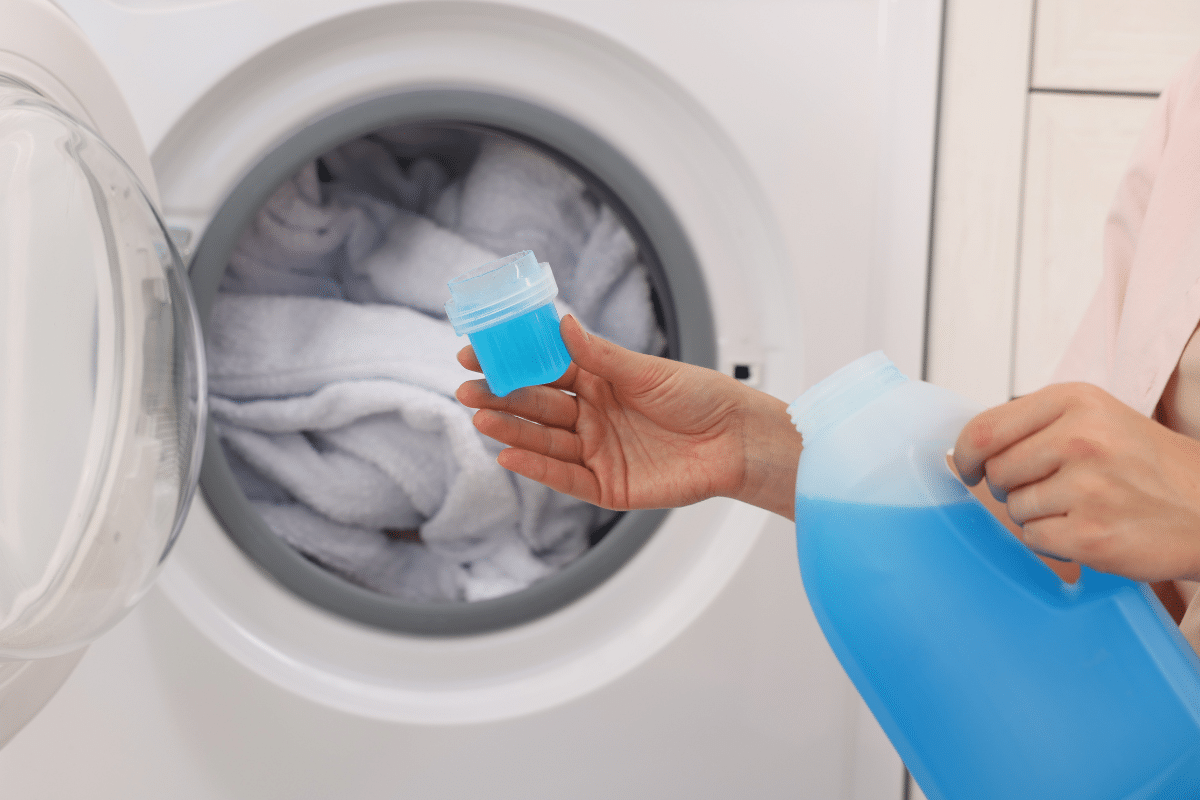
- Measure detergent carefully: too much can leave residue that traps odor
- Skip fabric softener when possible: it can coat fibers and reduce absorbency over time
- Do not overload the washer: towels need room to move so water and detergent can work
- Wash towels with other towels: mixing with heavy cotton items is fine, but avoid loads packed with lint-shedding items that can cling to towel fibers
If your towels tend to smell “clean but not fresh,” it’s often a buildup issue. Reducing detergent, improving rinsing, and improving drying habits are usually more effective than adding extra product.
Drying and storage mistakes that make towels smell faster
Many towel odor complaints start after the shower, not inside the washer. A towel that stays damp is more likely to develop that sour smell, even if it was washed correctly.
These common habits can shorten the time between washes:
- Hanging a towel folded over a hook: less surface area means slower drying
- Leaving towels in a heap: trapped moisture encourages mildew odor
- Storing towels before they’re fully dry: odor can develop in the linen closet
- Over-drying with very high heat repeatedly: doing this can damage fibers and reduce softness over time
A simple upgrade is to hang towels spread out on a bar or rack so air can circulate. If your bathroom stays humid, improving airflow and giving towels room to dry can make a bigger difference than changing detergents.
If towels never feel clean, your washer might be the problem
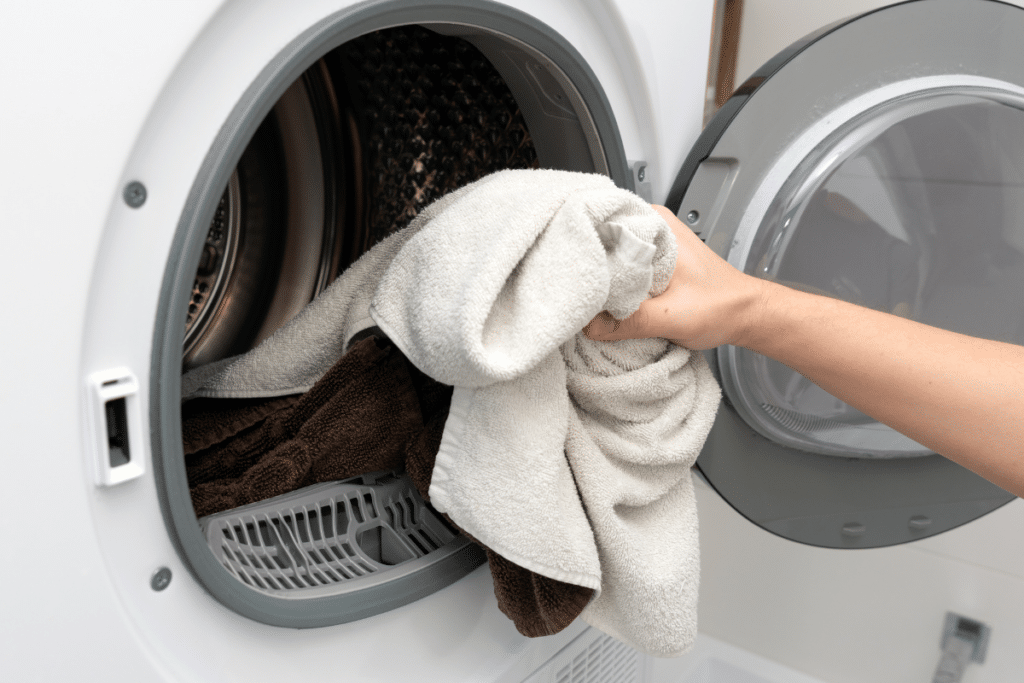
If you keep asking how often should you wash towels because they smell again right away, the issue may be less about frequency and more about cleaning performance. A washer that is not rinsing well, not draining correctly, or not agitating properly can leave behind detergent and soil. That residue clings to towel fibers and creates a “never quite fresh” result.
Here are a few signs your washer may not be washing effectively:
- Towels smell musty shortly after washing: especially if they smell worse when they get wet again
- Detergent scent that feels overpowering: can indicate poor rinsing and leftover soap
- Visible suds late in the cycle: a clue that detergent is not fully rinsing out
- Loads feel unusually heavy or extra wet at the end: can point to spin or drainage issues
If you suspect your washer is part of the problem, it can help to compare how towels come out after a normal load versus a smaller load with less detergent. If smaller loads consistently come out fresher, that points toward overload, rinse performance, or mechanical wear. These problems should we adressed by washer repair in Coquitlam.
For more context on what can cause poor wash results, this article may help: washer isn’t cleaning clothes.
Special cases: gym towels, kitchen towels, kids, and sensitive skin
Not all towels are equal. If you’re still unsure about how often should you wash towels, it helps to separate them by purpose.
Use these guidelines for the most common special cases:
- Gym towels: wash after each use since sweat and body oils build up quickly
- Kitchen towels: wash daily, and swap sooner if they’ve handled food spills
- Kids’ towels: wash more often if towels stay damp, are shared, or are used after swimming
- Face towels: wash after each use to reduce oil and bacteria transfer
- Households with sensitive skin: fresher rotation helps reduce irritation, especially for bath towels and washcloths
And if towels are part of a larger laundry routine, it helps to apply the same “match care to material” mindset across other household items, too. If you also launder pillows at home, you may like this guide: How To Properly Wash Pillows.