
























Learning how to load a dishwasher correctly is one of the simplest ways to improve cleaning performance, reduce wear on your dishes, and keep the appliance operating efficiently. When the dishwasher is loaded with proper spacing and alignment, water can reach every surface, detergent dissolves effectively, and cycles run as intended.
Dishwashers are designed with specific spray patterns and rack features that help dishes get thoroughly cleaned. However, when items block each other, overlap, or obstruct the spray arms, cleaning quality declines, and the dishwasher may work harder than it should. Understanding how to load a dishwasher correctly can prevent these issues and help extend the life of the appliance.
How to Load a Dishwasher Correctly
Learning how to load a dishwasher correctly goes beyond stacking dishes into available spaces. Each section of the dishwasher is engineered for specific item types, sizes, and soil levels. When dishes are placed in the right location and spaced appropriately, the appliance can wash more efficiently and deliver consistently cleaner results.
Here are the key practices that make the biggest difference when loading your dishwasher.
1. Start with a Quick Rinse or Scrape

You do not need to fully wash dishes before placing them in the dishwasher, but removing excess food makes a significant difference. Heavy, dried-on soils can prevent items from getting fully clean and may collect in the filter area. Lightly rinsing or scraping keeps the dishwasher running efficiently without wasting unnecessary time or water.
Dishwashers are designed to handle typical soils, but large pieces of food can impact water flow. A quick rinse ensures detergent can focus on cleaning rather than breaking down heavy buildup.
2. Load Plates and Large Items on the Bottom Rack
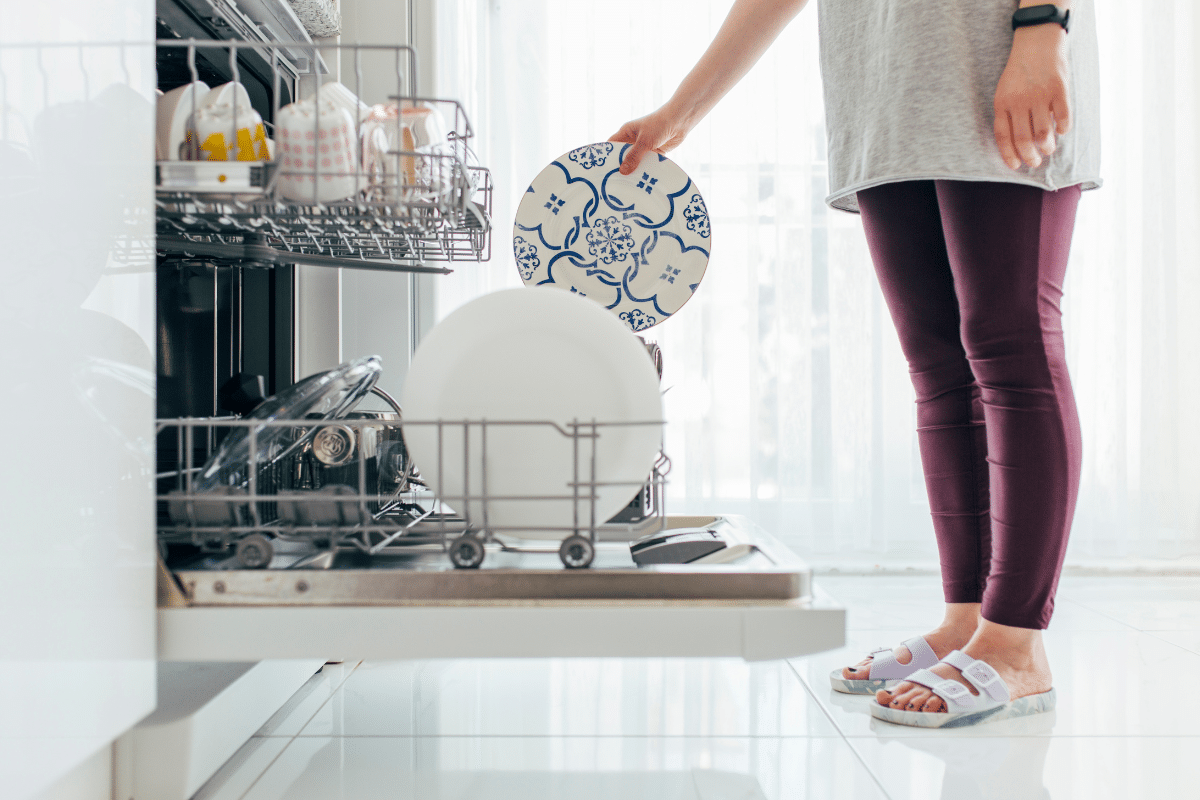
The bottom rack is engineered for plates, pots, pans, and heavier dishes. The tines help hold plates at the right angle so water can reach all surfaces. Placing these items along the sides and center allows the spray arms to rotate freely.
- Position plates so they face the center for optimal spray coverage.
- Angle large bowls downward so water reaches inside.
- Ensure nothing blocks the spray arm from spinning.
Avoid stacking or overlapping dishes. If items are touching, the water cannot reach the surface areas between them, which often causes residue or detergent streaks.
3. Reserve the Top Rack for Cups, Glasses, and Lighter Items
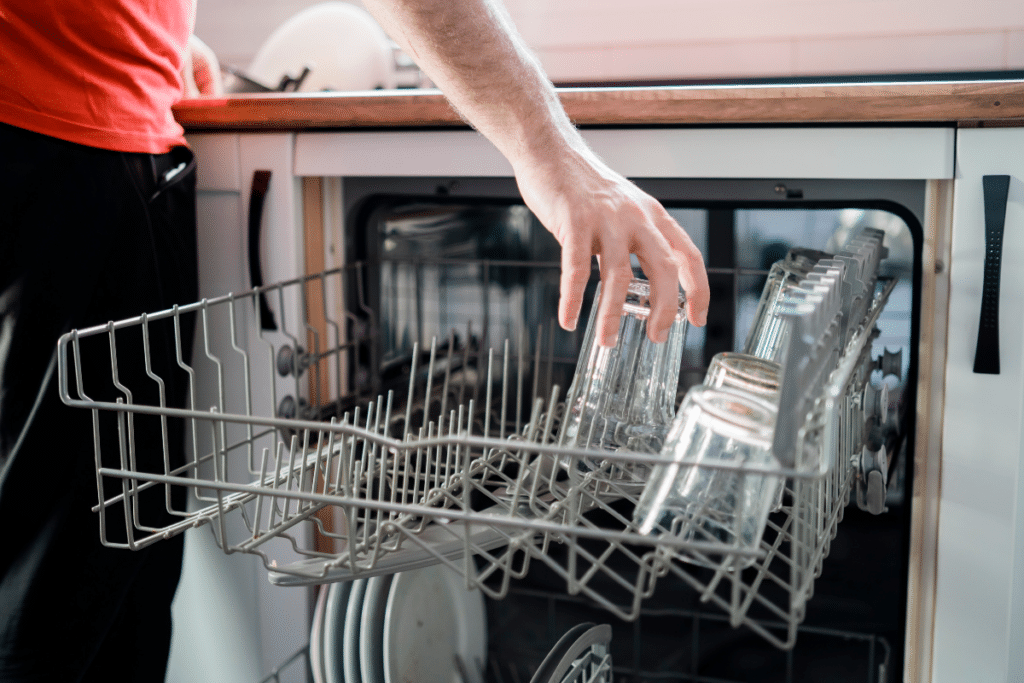
The top rack is made for fragile or lightweight dishes. It has gentle water pressure and specialized rows for cups and glasses so they do not tip over or collide during the wash cycle.
- Place glasses at an angle to help water drain.
- Keep each glass separated to avoid chipping.
- Lay long utensils horizontally if they do not fit in the utensil basket.
Plastic items belong on the top rack as well. They are farther from the heating element, which helps prevent melting or warping during the drying phase.
4. Separate Utensils for Better Cleaning
The utensil basket is designed to keep forks, knives, and spoons separated so water can reach each surface. Mixing utensil types prevents nesting, which often leaves spoons or forks stuck together and still dirty after a cycle.
- Alternate placing some utensils handle-up and some handle-down for spacing.
- Spread utensils across multiple sections of the basket when possible.
- Keep sharp knives pointed downward for safety.
Some dishwashers offer a third rack designed just for utensils. If yours has one, place flat tools such as spatulas or serving spoons there so they receive direct spray coverage.
5. Avoid Blocking the Detergent Dispenser
Placing large dishes in front of the detergent dispenser can prevent the soap from releasing properly. When this happens, you may see undissolved detergent or find that dishes are not as clean as they should be.
- Leave space in front of the detergent cup.
- Position large baking sheets or pans along the sides rather than the front.
- Make sure tall items do not interfere with dispenser doors.
Ensuring the detergent door can open fully is a key part of learning how to load a dishwasher correctly and getting consistent results from every wash cycle.
6. Keep Spray Arms Clear
Spray arms rotate to distribute water throughout the dishwasher. If anything blocks their path, water coverage becomes uneven, and dishes will not get fully cleaned. Before starting a cycle, spin the spray arms gently with your hand to make sure nothing is obstructing them.
- Do not place tall cutting boards or platters near the center of the bottom rack.
- Check that pot handles are angled to avoid blocking rotation.
- Make sure nothing protrudes from the top rack.
This simple check helps prevent missed spots and keeps the dishwasher working efficiently throughout the wash cycle.
7. Load According to Material Type
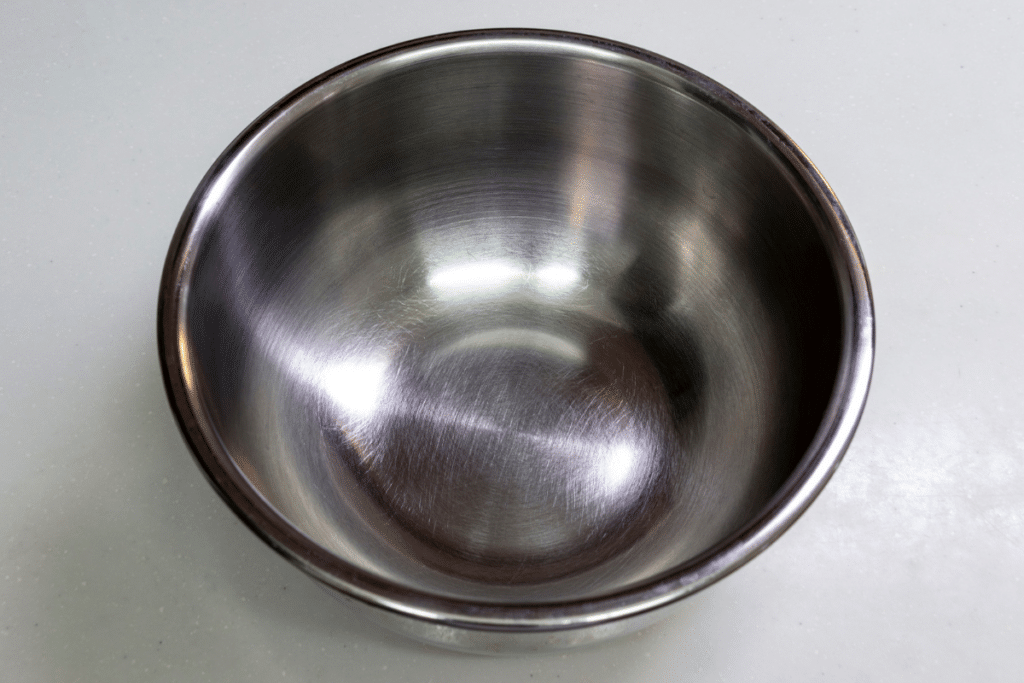
Some items are better suited for certain areas of the dishwasher. Understanding which materials go where helps protect dishes and ensures effective cleaning.
- Stainless steel: Safe on both racks, but keep separate from aluminum to prevent discoloration.
- Ceramic dishes: Best on the bottom rack for stability.
- Plastic containers: Always on the top rack away from direct heat.
- Delicate glassware: Place securely on the top rack away from other items.
If you are unsure whether something is dishwasher-safe, check the manufacturer’s instructions. Items not meant for dishwasher use may warp, crack, or discolor.
8. Maintain Proper Spacing Throughout the Dishwasher
Proper spacing is essential for water and detergent to reach every surface. Overloading is one of the most common reasons dishes come out dirty, even when using a high-quality detergent or a premium dishwasher model.
- Leave open areas around larger dishes.
- Ensure bowls do not stack inside one another.
- Keep glasses separated so they do not trap water between them.
When dishes have enough room for water to circulate, you get more consistent cleaning, improved drying, and better overall performance from the appliance.
9. Run the Dishwasher Only When Full
Running a full load is the most efficient way to use your dishwasher. Modern dishwashers are designed to conserve water and energy, and they perform best when the racks are filled properly but not overcrowded.
- Running partial loads increases energy usage without improving performance.
- A full load ensures optimal spray coverage and detergent distribution.
- Avoid delaying too long, as leftover food can harden and become more difficult to remove.
Following this practice keeps your dishwasher operating efficiently and reduces overall wear on the appliance.
Learning how to load a dishwasher correctly not only improves cleaning but also protects the appliance. Proper spacing, thoughtful placement, and avoiding blockages make the dishwasher more efficient and help prevent long-term issues. When the appliance is used as intended, it can deliver years of reliable performance and reduce the likelihood of unexpected service needs.
For residents in the area, expert dishwasher maintenance and service are available locally. If you ever notice poor cleaning results, unusual noises, or inconsistent drying even after loading correctly, a professional diagnosis can help identify the underlying cause. Local households trust our team for dependable service and quality care through Coquitlam Dishwasher Repair. Proper loading techniques paired with timely service keep your dishwasher performing at its best every day.