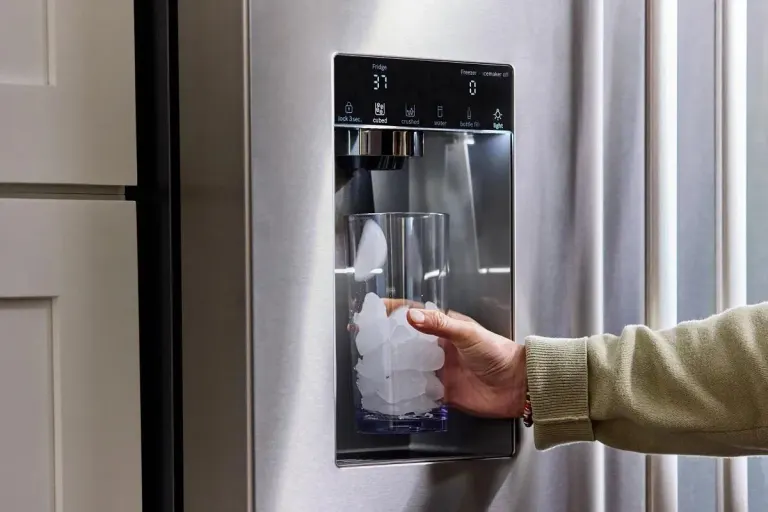
If your Bosch refrigerator ice cubes taste bad, it can make everything from a glass of water to a favorite drink less enjoyable. Unpleasant flavors in ice may come from old ice, food odors, water quality, filtration issues, or a problem affecting the refrigerator itself.
Some causes can be addressed with basic cleaning or routine maintenance. Others involve internal refrigerator components that should be diagnosed by a qualified appliance technician.
Check for These Issues If Your Bosch Refrigerator Ice Cubes Taste Bad
When Bosch refrigerator ice cubes taste bad, it does not necessarily mean the ice maker has failed. Ice can absorb odors and flavors from its surroundings, and the water used to make it can also influence the final taste.
Start with simple factors such as the age of the ice and refrigerator odors. If the problem continues, filtration, cooling performance, or internal water system issues may require closer attention.
1. Ice Sitting Too Long in the Bin
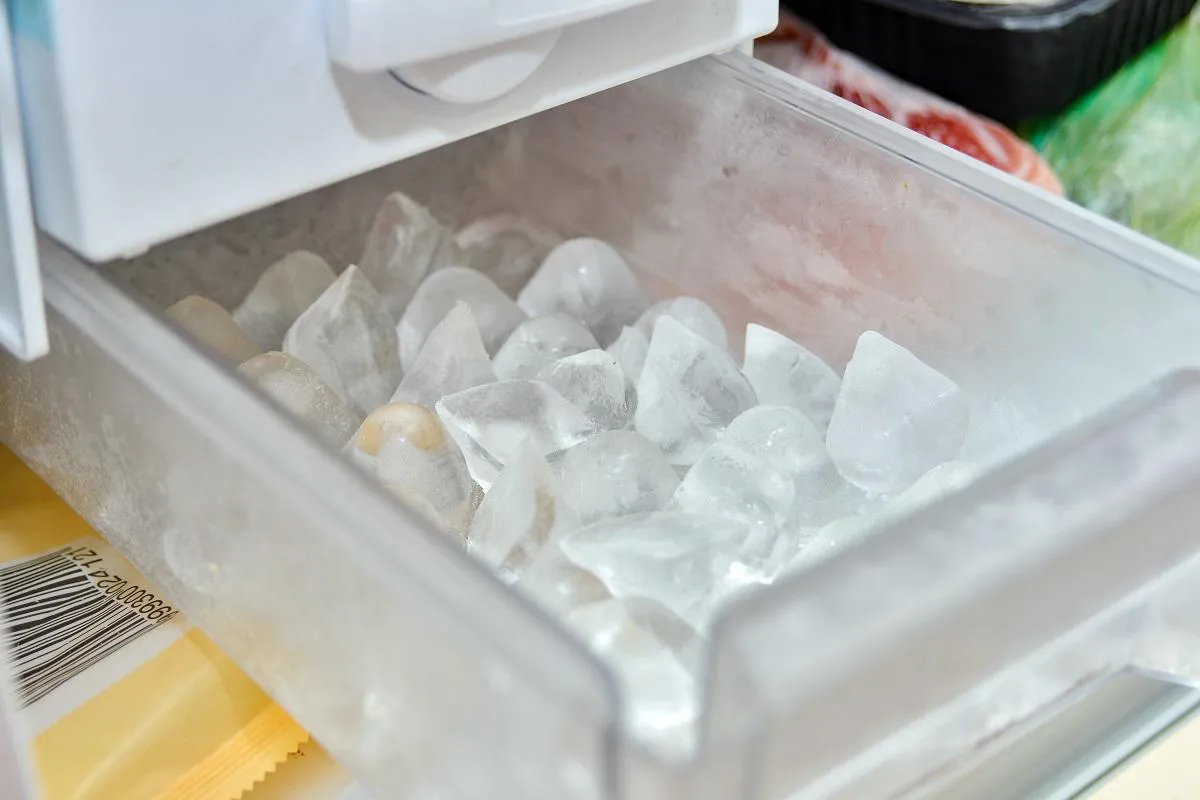
Ice does not stay fresh indefinitely. Cubes that remain in the ice bin for an extended period can develop a stale taste, especially in households that do not use ice very often.
Older ice can also absorb odors from the freezer compartment. Even if the cubes look normal, their flavor may change after prolonged storage.
If you suspect the ice has simply been sitting too long, discard the older cubes and allow the refrigerator to produce a fresh batch. If the new ice tastes normal, the issue was likely related to storage rather than a mechanical problem.
2. Strong Food Odors Affecting Ice Flavor
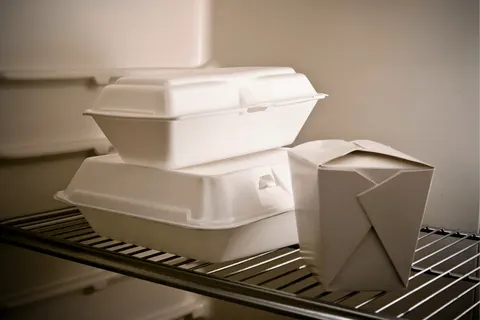
Ice can absorb odors from food stored nearby, especially when strongly scented items are left uncovered or in containers that are not tightly sealed. Garlic, onions, seafood, certain cheeses, and heavily seasoned leftovers can all contribute to unwanted flavors.
Look for common odor sources such as:
- Open food packages
- Containers without tight-fitting lids
- Spoiled or forgotten food
- Strongly aromatic ingredients stored near the ice area
If you notice a strong smell when opening the refrigerator or freezer, addressing the source may improve the taste of future batches of ice. Keeping foods properly sealed also helps prevent odors from circulating throughout the appliance.
3. Residue and Odors Around the Ice Bin
Food residue, spills, and lingering odors around the ice storage area can contribute to unpleasant-tasting cubes. Even when the ice maker itself is functioning correctly, residue on accessible surfaces may affect the freshness of the ice.
Follow the cleaning recommendations provided in your Bosch refrigerator owner's manual. Removable or easily accessible surfaces can generally be cleaned as directed by the manufacturer.
Avoid disassembling the ice maker or removing internal refrigerator components. If contamination appears to be coming from an area that cannot be safely reached through routine cleaning, a technician should inspect the appliance.
4. Water Filter Past Its Replacement Interval
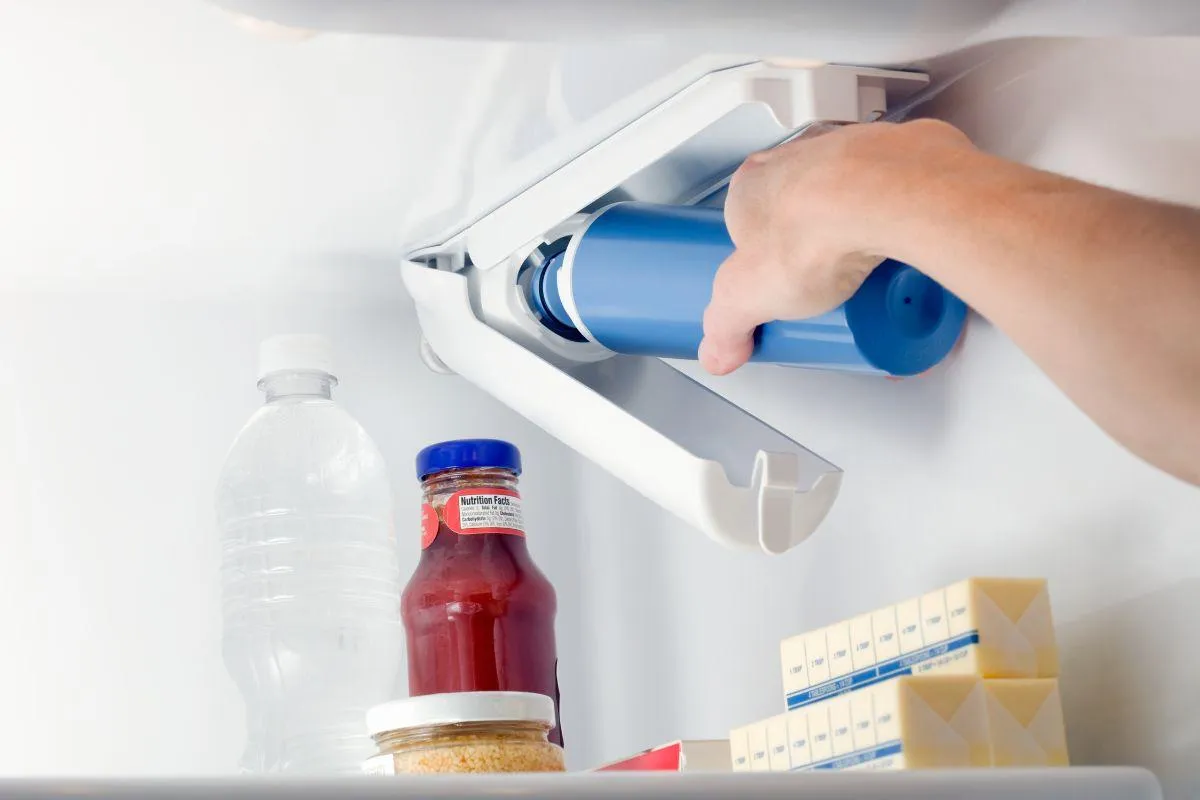
Your Bosch refrigerator's water filter helps reduce substances that can affect the taste and odor of both drinking water and ice. As the filter ages, its ability to maintain consistent water quality can decline.
A few factors can indicate that filter maintenance deserves attention:
- Filter indicator: Some Bosch refrigerators alert you when replacement is due.
- Time since replacement: Bosch generally recommends replacing compatible refrigerator filters about every six months.
- Changes in taste or odor: A noticeable change in both water and ice can point toward filtration as a possible factor.
- Filter compatibility: The replacement filter should be appropriate for your specific Bosch refrigerator model.
Refer to your owner's manual for the correct filter type and maintenance interval. If a properly maintained filter does not resolve the unpleasant taste, the source may be elsewhere in the water or refrigeration system.
5. Changes in Household Water Quality
Sometimes the refrigerator is not the source of the unusual flavor at all. The ice will reflect the quality and taste of the water entering the appliance.
Changes in mineral content, chlorine levels, or municipal water conditions can affect both drinking water and ice. If water from another normal household source also tastes unusual, the change may be related to the incoming water supply rather than the refrigerator.
Do not move the refrigerator or disconnect plumbing to investigate the water line. If the taste problem appears isolated to the refrigerator and routine maintenance does not resolve it, professional service is the safer next step.
6. Inconsistent Refrigerator Temperatures
Bad-tasting ice may be one symptom of a refrigerator that is having difficulty maintaining consistent temperatures. Cooling problems can affect more than food storage and may also change ice texture, production, or overall quality.
Watch for related symptoms:
- Soft or partially frozen foods
- Slower-than-normal ice production
- Ice cubes with an unusual texture
- Noticeable temperature fluctuations
- Other changes in refrigerator performance
If your refrigerator won't cool properly, the underlying issue may involve a sensor, fan, control, or another part of the cooling system.
These components require professional diagnosis. Avoid opening panels or attempting electrical checks, since a qualified appliance technician can safely determine whether a cooling problem is contributing to poor ice quality.
7. Ice Maker or Internal Water System Problems
If fresh ice continues to taste unusual after you have ruled out old ice, food odors, accessible cleaning concerns, and routine filter maintenance, the problem may involve the ice maker or internal water delivery system.
You may notice other symptoms at the same time, such as smaller cubes, misshapen ice, reduced production, or inconsistent ice-making performance.
Ice makers and related water components are designed as integrated appliance systems. They should not be disassembled to look for debris or internal problems. A technician can evaluate the system and determine whether an assembly or another component needs service or replacement.
8. Differences Between Water and Ice Taste
Comparing the taste of your refrigerator's dispensed water with its ice can provide a useful clue about where the unwanted flavor may be coming from.
If the water tastes normal but the ice tastes bad:
Old ice, food odors, residue around the ice storage area, or an ice-making system issue may be more likely.
If both the water and ice taste bad:
The water filter or incoming household water quality may deserve more attention.
If the taste changes from one batch of ice to another:
Consider whether food odors, ice storage time, or changing refrigerator conditions could be contributing.
This comparison cannot confirm a specific failure, but it can give a service technician valuable information when diagnosing the refrigerator.
9. Other Changes in Refrigerator Performance
Unpleasant-tasting ice is worth paying closer attention to when other refrigerator symptoms appear at the same time. Multiple changes can sometimes point toward a broader appliance problem rather than an isolated ice-quality concern.
Consider whether you have also noticed:
- Reduced ice production
- Smaller or misshapen cubes
- Inconsistent refrigerator or freezer temperatures
- Food not staying properly chilled
- Unusual operating sounds
- Changes in overall cooling performance
Think about when these symptoms began and whether several appeared around the same time. That information can help a technician narrow down the underlying problem more efficiently.
If poor-tasting ice continues or appears alongside other performance issues, scheduling refrigerator repair service in Vancouver can help determine whether the cause involves filtration, cooling, the ice maker, or another internal refrigerator system.
Get Back to Fresh-Tasting Ice
Bad-tasting Bosch refrigerator ice can come from several sources. Older ice, strong food odors, residue around accessible storage areas, an aging water filter, changes in household water quality, and refrigerator performance problems can all affect the flavor of your ice.
Basic cleaning, proper food storage, and routine filter maintenance may help when the cause is straightforward. Persistent flavor problems, especially when combined with cooling issues or changes in ice production, should be professionally diagnosed rather than addressed through appliance disassembly or internal testing.
For dependable help identifying the source of the problem, contact Priority Appliance Service for professional Bosch repair service. Our master technicians can evaluate the refrigerator safely and determine what service is needed to restore reliable ice production and overall appliance performance.